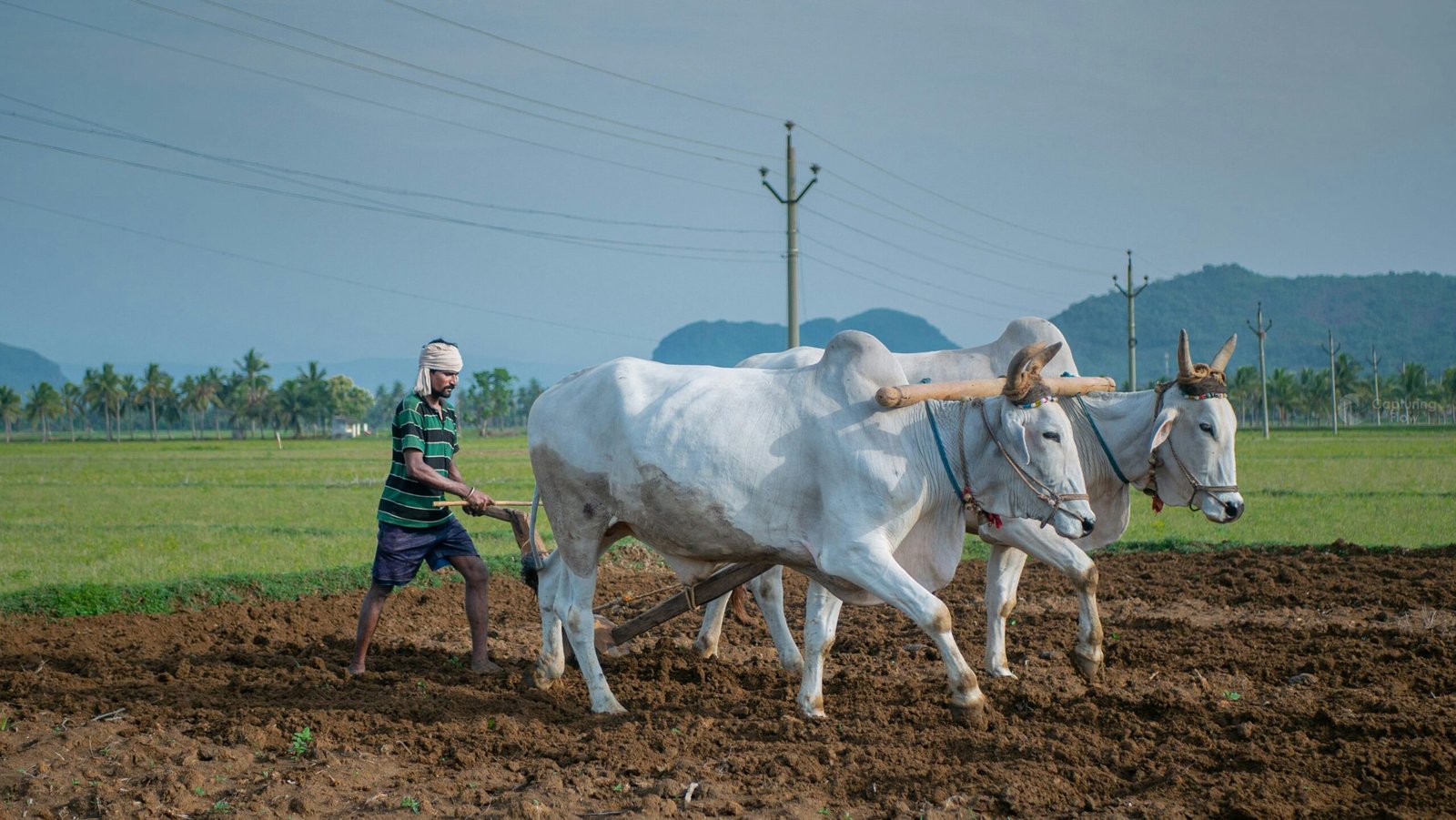

(Image Credit – Pexels). India’s agricultural sector, supporting nearly 58% of the population, is currently navigating a high-stakes transition. As of 2026, the Economic Survey highlights that while agriculture contributes roughly 16-18% to the national GDP, it faces a “yield-security gap” driven by climate volatility.
Projections for 2026 indicate that business-as-usual farming could see rice yields drop by up to 15% and wheat by 20% due to heat stress and shifting monsoon patterns (IARI, 2026). With 65% of farmland still rain-fed, the vulnerability of smallholders—who make up 86% of the farming community—has reached a critical juncture.
The risks are no longer theoretical; in 2024 alone, extreme weather affected 3.2 million hectares of crops, causing significant economic ripples (Source: Centre for Science and Environment). However, 2026 marks a turning point with the rollout of the Bharat-VISTAAR digital framework and the expansion of the National Innovations on Climate Resilient Agriculture (NICRA) to 50,000 villages.
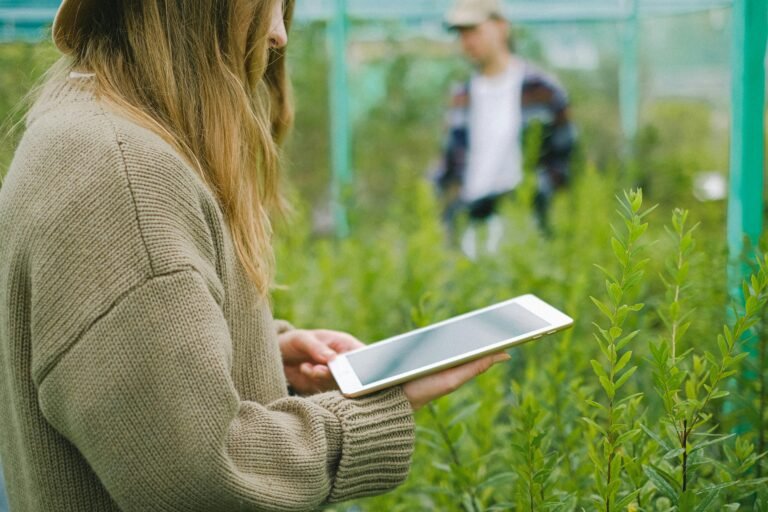
Technologies like AI-based Jeevn advisory systems and drone-led nutrient application are projected to see a 200% increase in adoption among mid-sized farms this year, potentially boosting yields by 10-15% while cutting chemical waste by 30% (Source: Farmonaut/AgriGOI Trends 2026).
Furthermore, the 2026-27 Union Budget’s focus on BioE3 (Biotechnology for Economy, Environment, and Employment) is mainstreaming genome-edited crops and bio-fertilizers. This shift not only protects the 2026 harvest but also aims to build a “Viksit Bharat” where the Indian farmer is a resilient entrepreneur rather than a climate casualty.