

An exclusive contribution by Rohini Singh, President, Charvi Empowerment Society (CES), outlines key strategies for building inclusive, climate-smart, and sustainable agricultural ecosystems.
As we progress into the 21st century, this sector remains pivotal—supplying food, sustaining rural livelihoods, and anchoring traditional ways of life. Despite rapid urbanization and industrial growth, agriculture continues to support nearly 50% of India’s workforce, contributing around 18% to the nation’s GDP. Yet, the sector faces profound challenges: climate change, water scarcity, soil degradation, fragmented landholdings, and unequal access to markets and technology.
Women account for nearly 75% of the rural female workforce engaged in agriculture and perform a wide array of tasks from sowing and weeding to harvesting, post-harvest processing, and livestock care. However, access to land ownership, credit, extension services, and modern technologies remains limited for many women farmers. This gender gap undermines the full productive potential of India’s agricultural economy.
Women-Led Climate-Smart Agriculture for Sustainable Future
To address these structural disparities and accelerate agricultural development, it is imperative to adopt an inclusive, sustainable, and women-centric approach. Strengthening women’s participation begins with recognition—ensuring that women are officially identified as farmers in policy frameworks and land records. This recognition opens doors to institutional credit, crop insurance, government schemes, and entrepreneurial support. Empowered women make decisions that enhance household nutrition, invest in children’s education, and contribute to resilient communities.
In focus: Rohini Singh on building climate-smart, women-driven agricultural ecosystems.
Driving inclusive growth, resilient communities, and sustainable rural livelihoods.
Traditional knowledge into sustainable farming:
Women have preserved indigenous seed varieties, managed mixed cropping systems, and applied organic soil enrichment techniques. Align closely with climate-smart agricultural methods, offering pathways to build both ecological and economic resilience in farming.
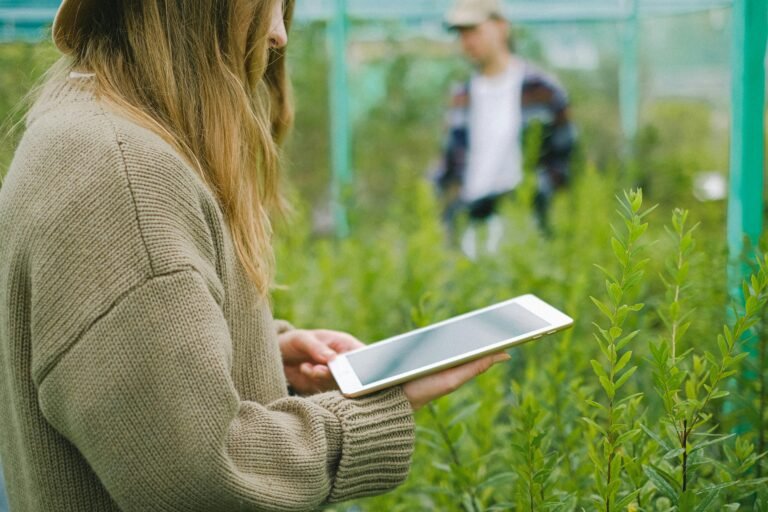
Investing in capacity building and digital inclusion further strengthens women’s agency in agriculture. Mobile advisories, soil health cards, weather forecasts, and market information systems can equip women farmers with real-time data to make informed decisions. However, digital literacy and access to smartphones must be enhanced.
Livelihood diversification is another key lever for sustainable rural growth. Beyond crop production, allied sectors such as poultry, dairy, mushroom cultivation, and agro-processing offer women additional income streams. When women are organized into Self-Help Groups (SHGs), Farmer Producer Organizations (FPOs), or cooperatives, their bargaining power and access to markets improve significantly—leading to higher incomes, economic stability, and reduced distress migration.
Policy and institutional support must reinforce these efforts. Land reforms that enable joint ownership, gender-responsive credit and insurance products, women-focused extension services, and leadership pathways in local governance.
At Charvi Empowerment Society, our work reflects these principles. Through integrated watershed development, sustainable agriculture training, and women-led enterprise interventions, we have witnessed the catalytic impact of women’s engagement in agriculture. When women are empowered, agriculture thrives—and when agriculture thrives, communities prosper.
In envisioning India’s agricultural future, we must embrace sustainability, resilience, and inclusion. Empowering women farmers is not merely an objective—it is a strategic imperative for the nation’s development, food security, and climate resilience. India’s growth story in agriculture will be most enduring when it is shaped with women at its heart.
Practical insights on solving on-ground challenges, using technology to strengthen sustainable farming, and building meaningful partnerships for long-term impact.